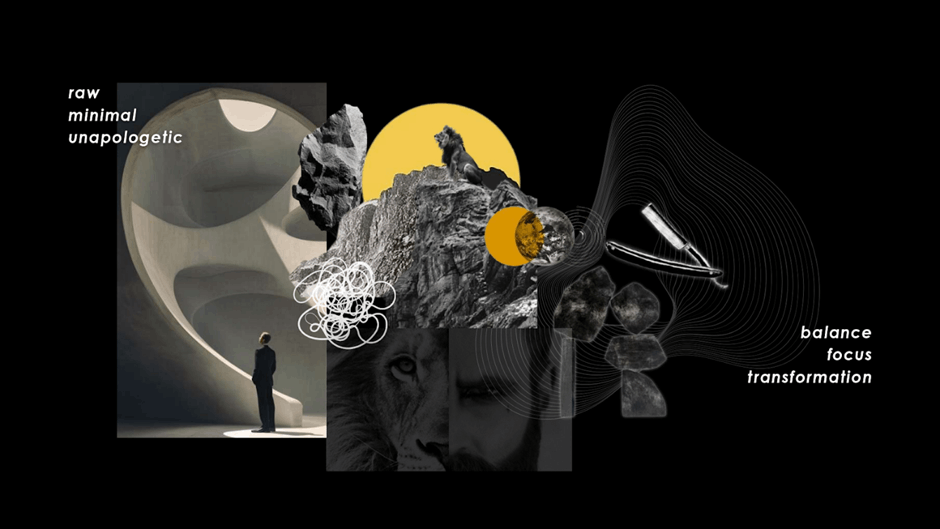
The beauty industry is evolving rapidly, with more professionals choosing independence over traditional employment. This shift has created a growing demand for flexible, shared environments that support multiple stylists under one roof. A well-planned salon interior design can empower freelance creatives by offering both functionality and identity.
Modern industrial aesthetics, combined with thoughtful planning, are becoming a preferred choice in commercial salon design in UAE. These spaces balance raw materials with refined experiences, creating environments that feel both edgy and welcoming.
Freelance stylists require more than just a chair and mirror. They need adaptable environments that support different working styles, schedules, and services.
A freelance salon workspace must allow easy customization while maintaining overall design consistency. This includes modular stations, shared resources, and flexible booking zones.
Modern salon interior design focuses on creating spaces that can evolve. Instead of fixed layouts, designers now prioritize adaptability, ensuring that salons can accommodate changing business models and growing teams.
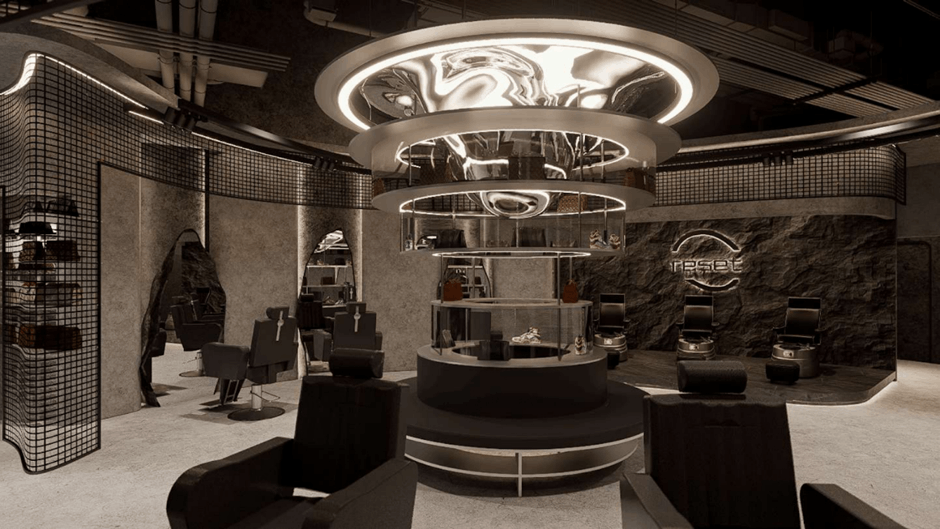
Industrial design is defined by raw textures such as exposed brick, concrete finishes, metal accents, and open ceilings. However, a successful salon interior design must balance this rugged aesthetic with comfort and warmth.
Soft lighting, comfortable seating, and warm color accents help create a welcoming environment. Mirrors with subtle backlighting and ergonomic styling chairs enhance both functionality and experience.
In commercial salon design UAE, the challenge lies in maintaining the industrial edge while ensuring clients feel relaxed and cared for. It is not just about how the space looks — it is about how it feels.
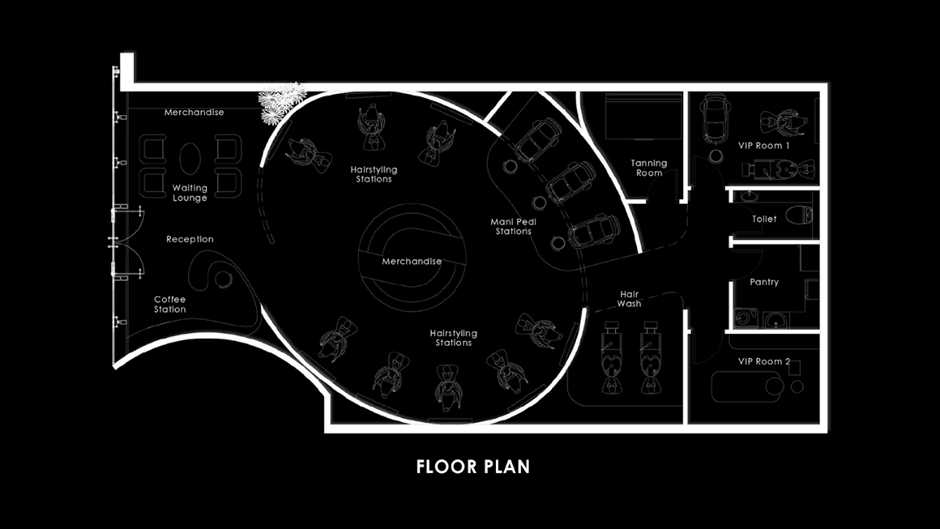
A well-planned multi-stylist salon layout is essential for shared environments. Each stylist needs enough personal space while still benefiting from a collaborative setting.
Zoning is key. Individual stations can be arranged in clusters or linear formats, depending on the available space. Clear pathways ensure smooth movement for both clients and staff.
Shared areas such as wash stations, waiting lounges, and product displays must be centrally located for easy access. This improves efficiency and reduces congestion.
Modern salon interior design ensures that every square meter is optimized, supporting both productivity and comfort.
Freelance environments thrive on collaboration. A well-designed salon can foster a sense of community rather than competition.
Open layouts, shared worktables, and communal breakout areas encourage interaction among stylists. These spaces allow professionals to exchange ideas, learn from each other, and build networks.
At the same time, it is important to maintain a sense of individuality. Subtle partitions, personalized stations, and flexible layouts help balance privacy with openness.
A thoughtful salon interior design creates an ecosystem where creatives can grow together while maintaining their unique identities.
One of the key advantages of a freelance salon workspace is the ability for stylists to express their personal brand.
Design elements such as customizable stations, display shelves, and digital screens allow each stylist to showcase their work and style.
In modern salon interior design, this concept of “brand within a brand” is gaining popularity. While the salon maintains a cohesive identity, individual stylists have the freedom to personalize their space.
This approach not only enhances creativity but also strengthens client relationships, as customers connect with the stylist’s unique identity.
It offers flexibility, reduces overhead costs, and allows stylists to operate independently while benefiting from shared resources.
It optimizes space, ensures smooth workflow, and supports multiple professionals without overcrowding.
Yes. When balanced with warm elements, industrial aesthetics create a modern and stylish environment.
Yes. Even compact spaces can be designed with flexible layouts and shared zones to support freelance professionals.
The beauty industry is constantly changing, and salon spaces must adapt accordingly. Future-proofing is a critical aspect of modern salon interior design.
Flexible furniture, movable partitions, and modular storage systems allow spaces to evolve with new trends and services. Technology integration, such as digital booking systems and smart lighting, enhances both functionality and client experience.
Sustainability is also becoming a priority. Eco-friendly materials, energy-efficient lighting, and water-saving fixtures are increasingly incorporated into commercial interior design UAE.
By designing with adaptability in mind, salon owners can ensure their spaces remain relevant and competitive in the long term.
A modern industrial salon is more than a design trend — it is a response to the changing needs of the beauty industry. By combining flexible layouts, collaborative environments, and strong visual identity, salon interior design can empower freelance creatives to thrive.
From multi-stylist salon layouts to personalized workstations, every element plays a role in creating a dynamic and future-ready space. With the right approach, salons can become more than workplaces — they can become creative hubs where innovation, individuality, and community come together.


© All rights reserved Rawdesign.
Designed and developed by Tequila.ae